The Ear Remembers What the Eye Forgets: A Case for Listening Without Watching
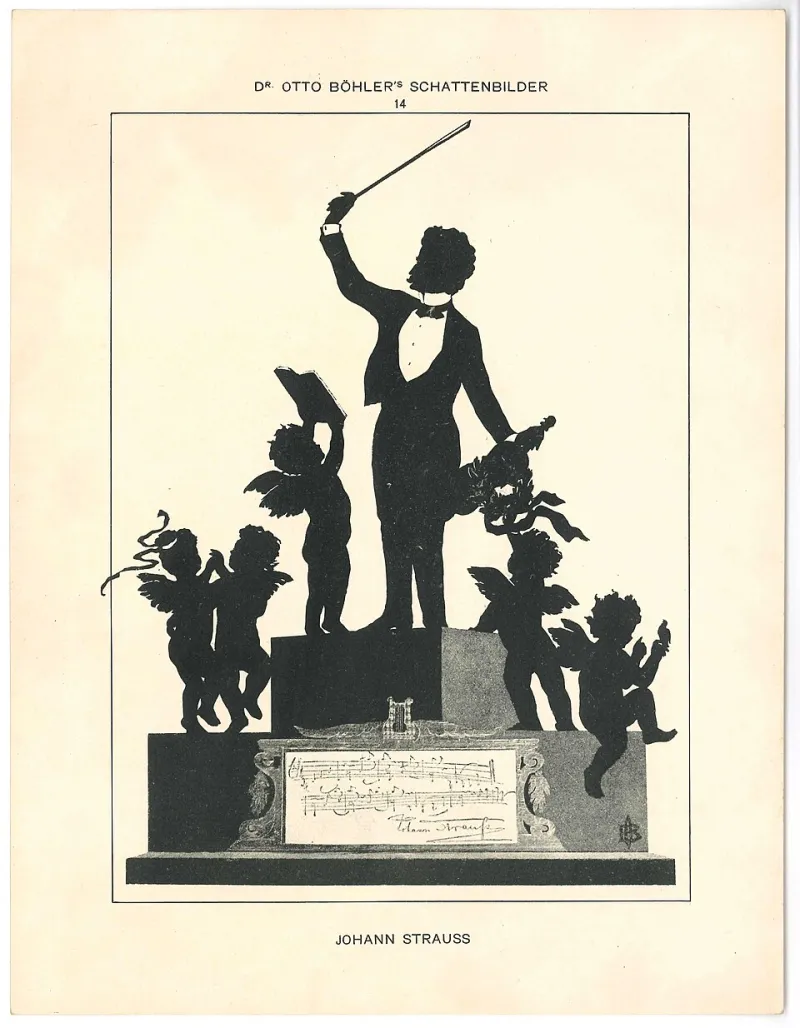
Photo: Otto Böhler (1847–1913), Public domain, via Wikimedia Commons
There is a particular kind of magic that happens in a concert hall when the lights go down and the audience stops watching. The violinist steps to the podium, raises the instrument, and for the next forty minutes, the only thing that matters is sound. Not gestures. Not facial expressions. Not the cinematic close-ups that livestream cameras now capture in stunning detail. Just sound — shaped, breathed, and sent into a darkened room.
In recent years, the American classical music audience has grown accustomed to watching. Livestreams from Carnegie Hall and the Hollywood Bowl, concert films, YouTube masterclasses, and stage lighting designed to be camera-friendly have transformed how we experience a violin recital. There is real value in this accessibility, to be sure. But something is quietly being lost, and it is worth naming.
The Camera Changes What We Hear
When we watch a performance, our attention divides. We notice the bow arm, the swaying of the torso, the intensity of the soloist's gaze. These visual cues are not trivial — they are part of a performer's communication. But they can also distract. A listener watching a screen processes phrasing differently than a listener who hears it blind. The ear, freed from the eye, catches things the camera cannot show: the way a violinist delays a resolution by a fraction of a beat, the color shift between two statements of the same melody, the breath of silence before a final chord.
Great violinists have always shaped their playing for the ear alone. The great recordings of the mid-twentieth century — the Heifetzes, the Oistrakhs, the Szigetis — were made by listeners who could not see a thing. All they had was sound, and the artists knew it. Every nuance of vibrato, every gradation of bow speed, every whisper of pianissimo was calibrated to be heard, not seen. That legacy of purely aural artistry deserves to be preserved, not diluted by the visual habits of the streaming age.
What We Lose in the Glow of the Screen
Consider what happens at a typical American concert today. Audiences applaud between movements — a habit that often stems from not quite knowing when a phrase has truly ended. They film short clips on their phones. They watch the soloist's hands rather than following the melodic line. None of this is a moral failing; it is simply what happens when visual culture dominates musical attention.
But the consequence is real. A young listener who has only experienced music through video may never learn to hear structure — the long arc of a Brahms concerto, the way a second theme returns transformed, the tension and release of a development section. These things are heard over time, not seen in a moment. They require a kind of sustained, screenless attention that is becoming rare in American life.
Training the Ear: A Practical Path Forward
The good news is that deep listening is a skill, and like any skill, it can be practiced. Here are a few ways younger audiences can begin:
Listen to recordings with your eyes closed. Not as a gimmick, but as a discipline. Choose a single movement — the second movement of the Mendelssohn Violin Concerto, for example — and give it your full auditory attention. Notice where the melody breathes and where it pushes forward.
Attend a concert and resist the urge to watch. Sit farther back in the hall, where the visual details fade and the acoustic image sharpens. Many American concert halls — Boston's Symphony Hall, Nashville's Schermerhorn Symphony Center — are designed so that the back rows offer a remarkably blended, honest sonic picture.
Follow one line, not one player. In a concerto, try tracking the second violins or the cello line for a few minutes. You will hear the architecture of the piece in a way that no camera angle can reveal.
Compare recordings, not performances. Listen to two different interpretations of the same Bach Adagio back to back. Without video, you will hear exactly what each artist does differently — and begin to understand that interpretation is a matter of choices made in sound.
Turn off the screen. If you stream a concert, try listening with the video minimized or the screen turned away. It feels strange at first. It gets easier. And what you hear will change.
A Legacy Worth Protecting
The violin has survived four centuries because its voice carries something no image can replicate: the direct, unmediated expression of a human being through wood, string, and bow. Every generation of listeners has had to learn how to hear it. Ours is no different — we simply face different distractions.
The recordings that will matter fifty years from now are being made today, by artists who understand that the ear is the final judge. The audiences who will sustain classical music in America are the ones who learn to listen — truly listen — with the lights low and the screens dark.
The eye is entertained. The ear is transformed. In the end, it is the ear that remembers.