The Playlist and the Concert Hall: Why Both Can Save Classical Music
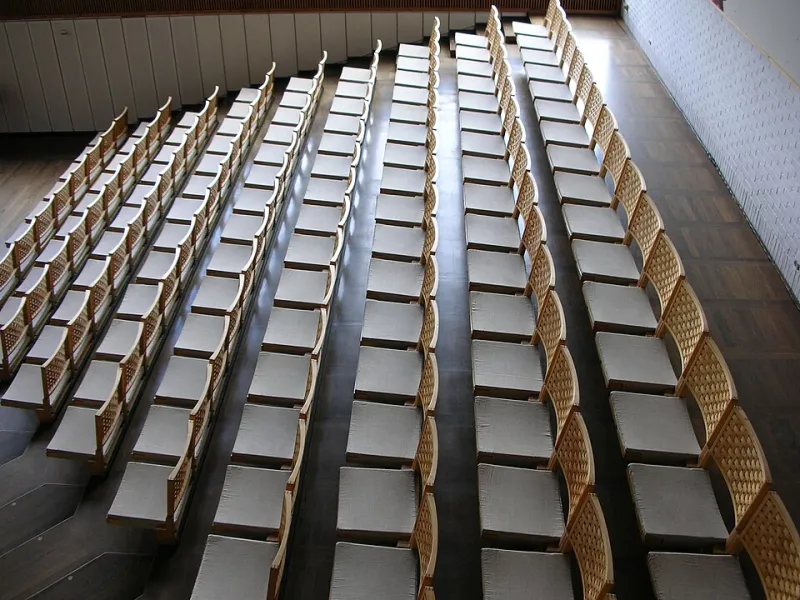
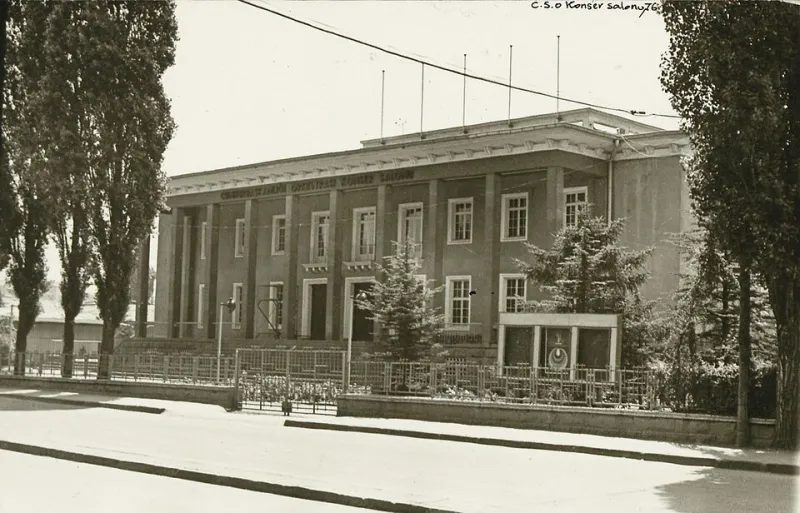
Photo: Diogo Valério from Oslo, Norway, CC BY 2.0, via Wikimedia Commons
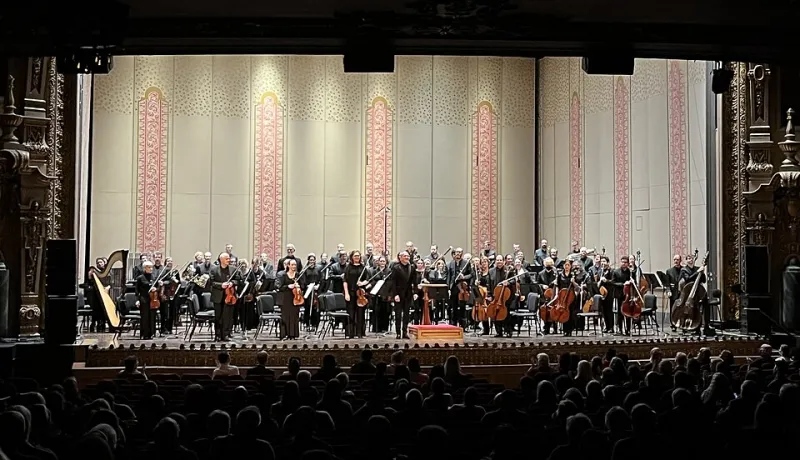
Every generation of classical musicians has been told the art form is dying. The gramophone was supposed to kill the concert. Television was supposed to kill the gramophone. Now Spotify, YouTube, and TikTok are supposedly killing everything at once. Yet the philharmonic halls of Chicago, Cleveland, and San Francisco still fill their seats, and something curious is happening in the demographics: a noticeable share of the youngest faces in the audience arrived there by way of a screen.
The Alleged Threat
The argument against digital media is familiar. A streaming playlist pays the artist fractions of a cent and compresses a symphony into background noise for studying. A viral violin video prizes spectacle over substance — twelve million views for a pop medley, while a Brahms concerto movement struggles to find an audience. And the masterclass posted online, however well-intentioned, flattens a living, responsive art into a fixed product.
These criticisms contain truth, but they mistake the role of the medium. The recording never replaced the concert, and the stream will not either. What streaming replaced was silence — the long stretches of a listener's life in which classical music simply was not present.
The On-Ramp Effect
Talk to American orchestra administrators and a pattern emerges. Subscription audiences skew older, but single-ticket sales among listeners under thirty have grown steadily at many ensembles, and those listeners frequently cite digital discovery as their entry point. They heard a film score, followed it to a Tchaikovsky recording on a playlist, watched a masterclass clip out of curiosity, and eventually bought a ticket to hear the real thing in a hall with good acoustics.
This is not a new phenomenon in structure. Radio did the same work in the middle of the twentieth century, and the LP carried the repertoire into American living rooms where no orchestra toured. The digital ecosystem is simply the next link in that chain — broader, faster, and more democratic.
The Dual Life of the Modern Artist
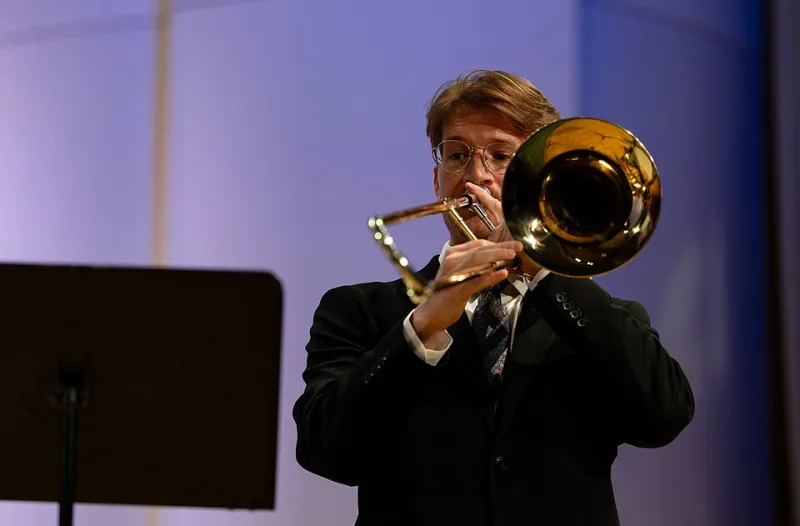
What distinguishes the current moment is that leading artists no longer treat the stage and the screen as rivals. A veteran performer's schedule now routinely pairs a concerto appearance with a European orchestra and an online masterclass viewed by students in Ohio and Oregon who could never have traveled to either. The recording catalog built over a lifetime finds new listeners on platforms its creators never imagined.
This dual life is not a dilution of legacy; it is its extension. The artist who spent decades shaping interpretations in the world's great halls now teaches a sixteen-year-old in suburban Dallas how to phrase a Mozart exposition — directly, and at scale. The recording made in a Berlin studio in the 1980s becomes a student's reference point in 2025. Legacy, in this sense, is not a museum. It is a distribution network.
What the Hall Still Offers
None of this diminishes what only a live performance provides, and it is worth stating plainly why. A recording is a fixed moment; a concert is a shared risk. The audience in the hall hears a phrase breathed differently tonight than it was last week, senses the collective held breath before a solo entrance, and participates in something that cannot be paused. No playlist replicates the experience of sitting in Orchestra Hall as the strings enter pianissimo and the room itself seems to change temperature.
The correct conclusion, then, is not that digital media threatens the recital. It is that digital media fills the top of the funnel while the hall completes the transformation. The student who discovers the Sibelius Concerto through a streaming recommendation is not a lesser listener than one who grew up with subscription tickets. They are an earlier-stage listener — and the art form has every reason to welcome them.
A Modest Proposal for 2025
For presenters and artists alike, the path forward looks less like defense and more like hospitality. Livestream select concerts. Post masterclass excerpts. Curate playlists that lead naturally from film music to the concertos that inspired it. Put the hall's program notes online before the ticket is bought.
The violin has outlived every predicted obituary because it adapts without surrendering its essence. The artists who thrive in this decade will be those who treat the phone screen as a doorway rather than a competitor — and who trust that once a listener walks through, the concert hall will do the rest.