Reborn in the Stream: How a Classic Violin Recording Finds Its Digital Audience
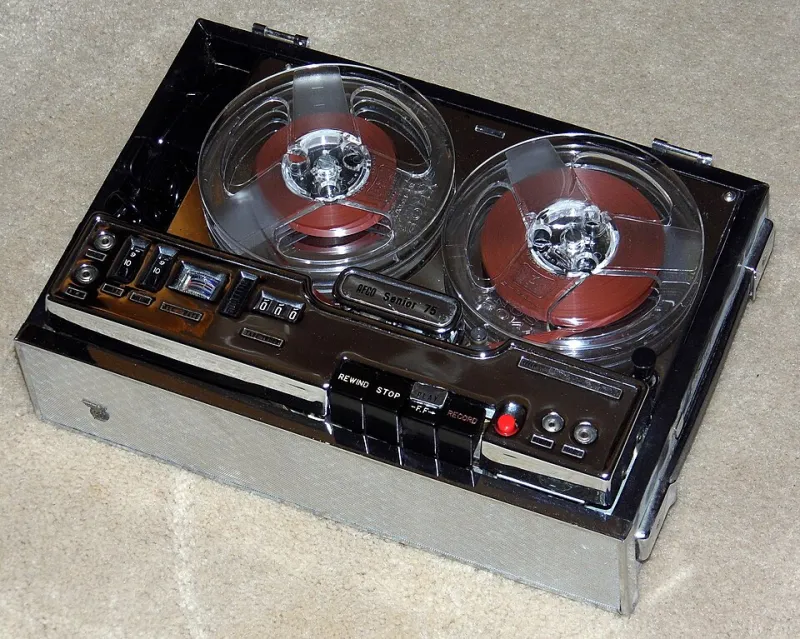
Photo: Joe Haupt from USA, CC BY-SA 2.0, via Wikimedia Commons
Somewhere in a climate-controlled archive, a reel-to-reel tape holds a performance recorded before most of its future listeners were born. Its musicians may have retired, or passed away. Its original label may no longer exist. And yet, in the coming months, that performance will be heard more times than in its entire first life on vinyl and CD — carried to commuters in Denver, students in Ann Arbor, and insomniacs in Seattle by the quiet machinery of streaming.
The migration of classical recordings to digital platforms is one of the least examined stories in American music. It deserves a closer look.
The Journey of a Single Recording
Consider the path of a hypothetical but entirely typical case: a violin concerto recorded in the 1980s, well reviewed, then out of print for a decade as the label's catalog was sold and resold.
First comes the rights question, often the longest leg of the journey. Who owns the master? Who controls the publication? For legacy catalogs, untangling this paperwork can take longer than the remastering itself.
Then comes the transfer. Engineers retrieve the best available source — ideally the original master tape, sometimes a pristine vinyl pressing when tapes are lost. The digitization is done at high resolution, capturing far more detail than the CD format ever required.
Remastering: Restoration or Reinvention?
Here the philosophical questions begin. Remastering is not a neutral act. Every choice — how much to reduce tape hiss, whether to adjust the balance, how aggressively to limit dynamics for playback on earbuds — reshapes the listener's experience of a performance no one can re-record.
The best engineers describe their work as translation rather than alteration. The goal is to let a 1980s recording sound convincing on a 2020s phone speaker without sanding away the room acoustics and the humanity that made it worth preserving. Push too far, and a live concert's breathing space gets compressed into a wall of polished sound; too little, and younger listeners may simply click away.
The tension is real: preservation asks us to keep the artifact honest, while reinvention asks us to meet listeners where they are. The healthiest projects treat these as partners, not opponents.
The Playlist Effect
Once a remastered recording lands on a streaming service, its context changes radically. It no longer sits in a record store's classical bin; it appears in algorithmic playlists beside Max Richter, film scores, and lo-fi study mixes. A young listener in Portland might encounter the Mendelssohn Violin Concerto's opening through a playlist titled for focus or calm — a gateway no record label ever engineered.
This placement unsettles some purists, and understandably so. Context shapes listening. But the evidence suggests something encouraging: classical streaming audiences in the United States have grown notably younger, and a meaningful share of them arrived through these sideways doors. The recording, once freed from its original packaging, finds listeners its creators never imagined.
Hearing It for the First Time
Talk to students discovering decades-old performances and a pattern emerges. They are not comparing the recording to others; they have no such baggage. They hear the performance as simply music — vivid, immediate, sometimes startlingly personal. A violinist's 40-year-old interpretation of the Sibelius becomes, for them, not a historical document but a living voice.
That freshness is the quiet argument for the entire enterprise. Archives are not mausoleums. They are waiting rooms.
What We Owe the Past
None of this diminishes the stakes. Each remastering decision is, in a small way, an act of authorship over someone else's art. The engineers, producers, and labels handling legacy catalogs are custodians of performances that cannot be repeated. The responsibility is to serve the performance first — and trust that a great one, honestly presented, needs no fashionable polish to reach the ear of a stranger in 2025.
From sheet music to streaming, the journey of a legendary recording is really a story about survival. The notes were captured once. The task now is to make sure they keep arriving — clearly, faithfully, and in front of the widest possible audience.