The Teacher's Chair: Why Today's Soloists Are Becoming Tomorrow's Mentors
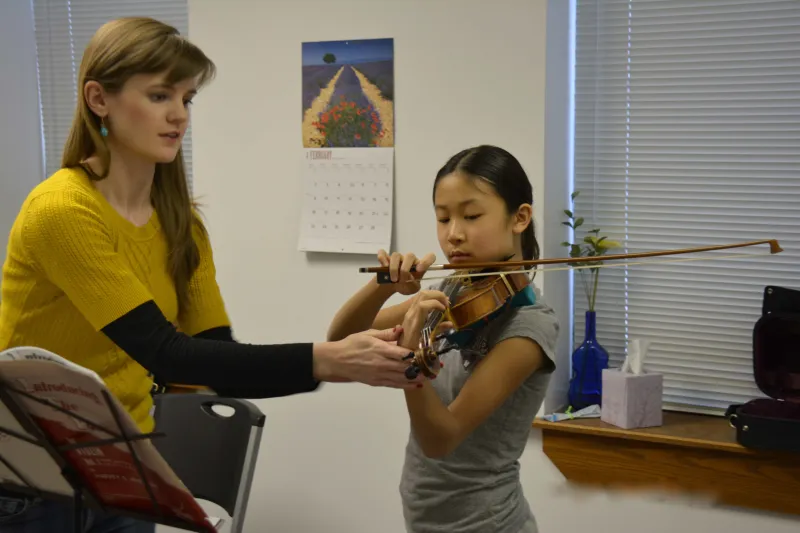
There is a moment, familiar to anyone who has attended a masterclass, when the performer becomes something else entirely. The violin comes off the shoulder. The teacher leans forward. And a conversation begins that has little to do with applause and everything to do with inheritance.
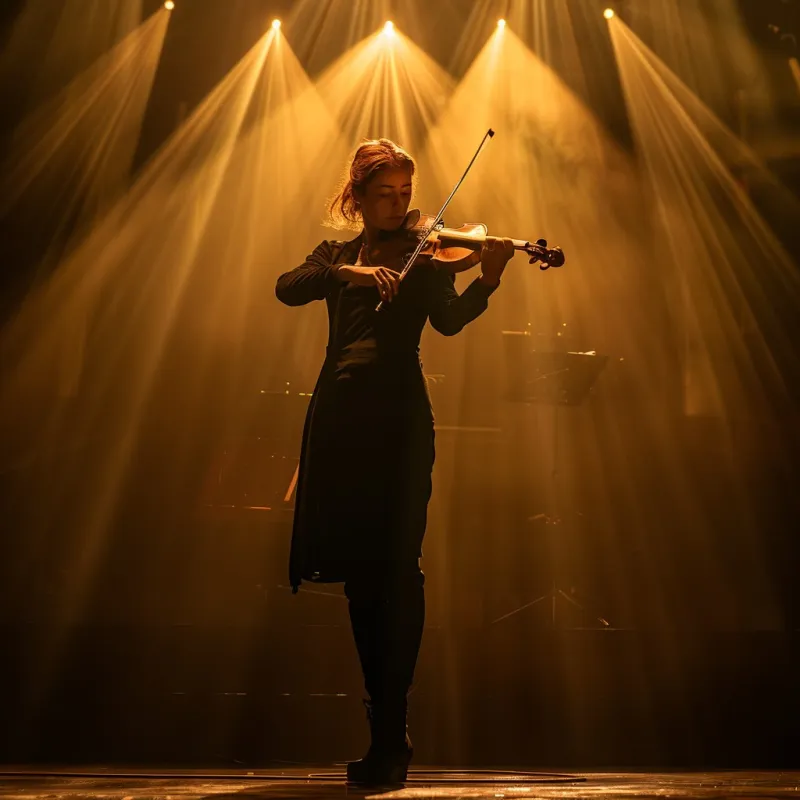
For audiences, the great soloist exists on stage — tails and spotlights, the Sibelius concerto blazing through a hall like Boston's Symphony Hall or Chicago's Orchestra Hall. But a parallel career unfolds in classrooms and rehearsal rooms, and it may prove to be the more consequential of the two.
The Transition Nobody Talks About
Every major violinist faces the same question at some point: what is my obligation to the generation coming up behind me? For some, teaching is an afterthought, squeezed between engagements. For others — and Shlomo Mintz is a notable example — it becomes a central pillar of a musical life, pursued with the same seriousness as a Beethoven cycle.
The shift is not merely logistical. A performer learns to communicate through an instrument; a teacher must communicate through language, gesture, patience, and example. The skills overlap but do not coincide. Many virtuosos describe their early teaching years as humbling — discovering that the phrase they could sing effortlessly could not be explained in a single sentence.
What changes most, veteran mentors often say, is the orientation of attention. On stage, the artist asks: how do I say this? In the studio, the question becomes: how does this student need to hear it?
Why Students Seek Out Working Artists
Conservatories across the United States — from Juilliard and the Colburn School to the Eastman School of Music — have long understood a simple truth: students flourish under teachers who still perform. The pedagogy of an active soloist carries a particular authority. Intonation problems, bow-arm tension, the psychological weight of a concerto debut — these are not theoretical matters to someone who faced them last month in Berlin.
A masterclass led by a still-touring artist offers something textbooks cannot. When Mintz stops a student mid-phrase to demonstrate how a shift can be disguised within a vibrato impulse, the advice comes freighted with decades of stagecraft. The student is not learning an opinion; they are receiving a distilled practice.
There is also the matter of realism. A teacher who flew in from a European tour the night before can speak credibly about jet lag, audition nerves, and the economics of a freelance career. Mentorship from a working artist includes the profession, not just the repertoire.
The Hidden Engine of the Art Form
It is tempting to trace the lineage of violin playing through recordings — Heifetz to this player, Oistrakh to that one. But lineage is transmitted person to person, in rooms with indifferent lighting and patient repetition. Every phrase of the Mendelssohn concerto played beautifully in America this season carries, somewhere inside it, a chain of teachers stretching back generations.
This is why established artists invest in the young. The tradition does not preserve itself. Sheet music is a map, not a journey; the interpretive knowledge — how to shape a Brahms phrase, when to let silence do the talking — survives only through demonstration and correction, one student at a time.
Mentorship also works in reverse. Young players arrive with new questions, unfamiliar repertoire, and a relationship to technology and audiences that can refresh a veteran's own perspective. The exchange, done well, is mutual. Teachers frequently report that preparing for a masterclass sharpens their own practicing; explaining a passage forces a re-examination of habits decades in the making.
What a Masterclass Actually Gives
For the student, the value of a single session can be difficult to overstate. A public masterclass compresses months of private study into ninety minutes. A well-chosen remark — about rhythm as character rather than arithmetic, about listening forward instead of backward — can redirect a career.
American students, in particular, benefit from the culture of masterclasses that has grown across festivals, universities, and orchestra education programs. These events are often open to the public, and concertgoers would be well advised to attend. Watching a great artist teach is a second, more intimate concert — one where the audience sees not only what a violinist does, but why.
The Long Legacy
The measure of a soloist's career is usually counted in halls played and recordings made. But perhaps the truer measure will be found in the students: the conservatory seniors who sat in the teacher's chair across from them, absorbed a phrase, a standard, a way of listening — and carried it forward.
The concert platform gives an artist a night. The teaching studio gives an art form a future. The soloists who understand this, and who give the second role the same devotion as the first, are doing classical music's most important quiet work.