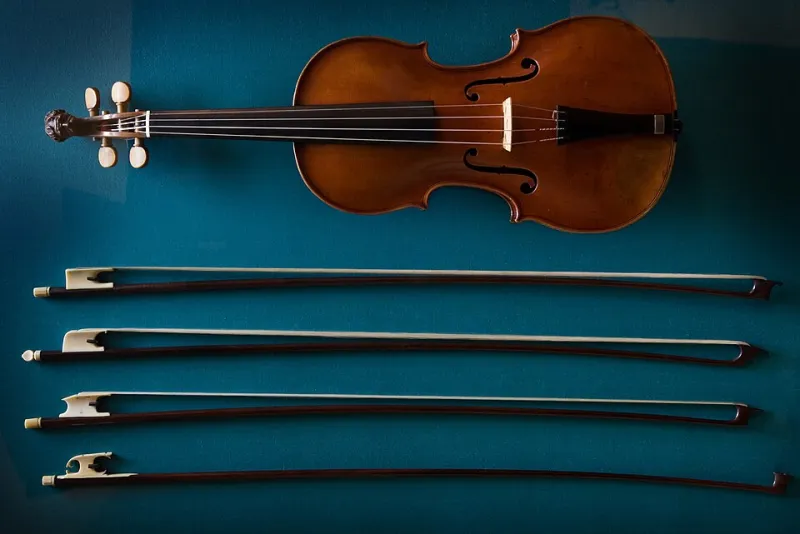
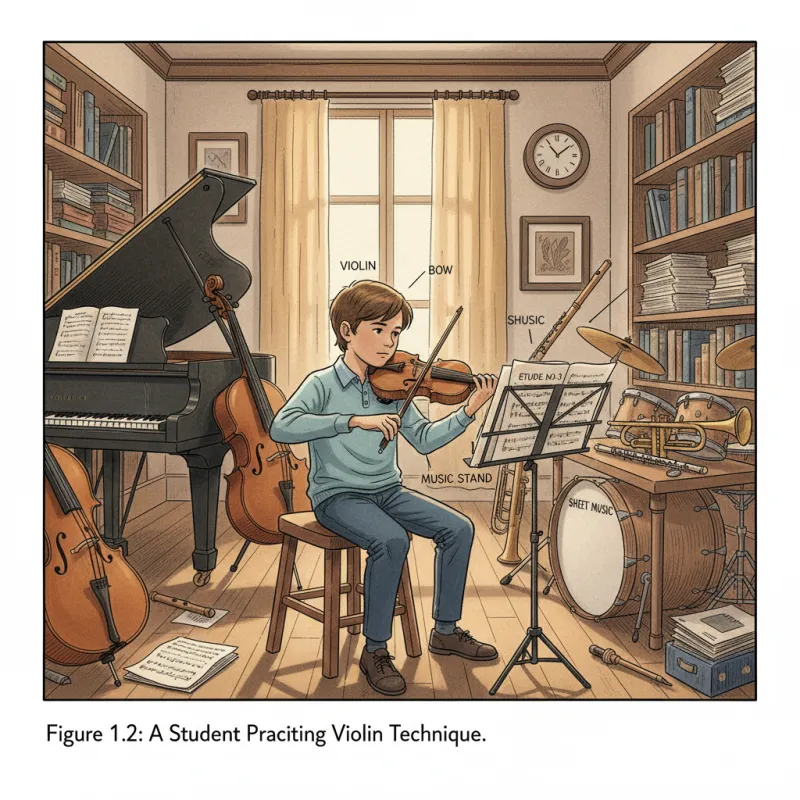
The Sound Before the Price Tag: A Student's Honest Guide to Finding the Right Violin in America
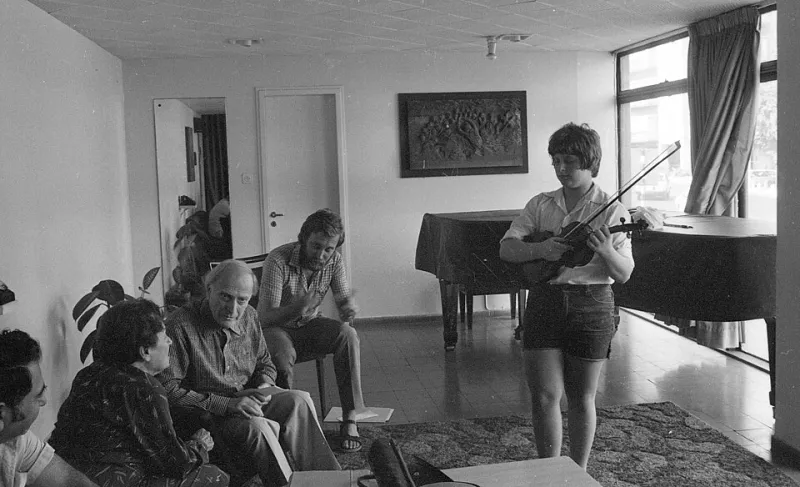
Photo: IPPA photographer, CC BY 4.0, via Wikimedia Commons
Walk into any conservatory corridor in America—from Juilliard to the Colburn School to a state university music building—and you will hear an unspoken hierarchy at work. It is not about repertoire, and it is not about talent. It is about what is inside the case.
Students glance at labels, at varnish, at the shape of an f-hole. The assumption is quietly absorbed early: a great player needs a great instrument, and a great instrument costs more than a car. It is a belief worth challenging, because it is only half true.
The Rental Years: Where Every Journey Begins
The American rental system is one of the quiet successes of the classical music world. For twenty to sixty dollars a month, a family can put a serviceable workshop violin into a child's hands, with insurance, exchange options, and size upgrades as the student grows. For a nine-year-old in suburban Ohio or Texas, this is exactly the right arrangement.
What matters at this stage is not provenance. It is playability: strings that respond, a bridge properly cut, pegs that turn. A well-set-up rental from a reputable shop will always outperform a neglected "bargain" bought online. Parents should resist the temptation to purchase early. Ownership can wait; the child's enthusiasm cannot.
The First Real Upgrade
Somewhere between intermediate repertoire and serious study—often around high school, when auditions for youth orchestras and summer programs intensify—the limitations of a student instrument become audible. This is the moment when many American families panic and assume they need an antique.
They do not. The market for modern workshop violins, typically priced between $2,000 and $10,000, has never been stronger. Skilled luthiers in Chicago, Boston, and across the country maintain studios that produce instruments of genuine musical character. Many shops offer trial periods and trade-in policies that credit earlier purchases—a system designed, sensibly, around the realities of a growing player.
The advice is simple and old-fashioned: deal with a shop, not a website. Play everything. Bring your teacher. An instrument chosen in partnership with an experienced ear will serve you for a decade.
The Modern Maker Movement
Here is the development that deserves more attention than it gets: contemporary luthiers are producing instruments that stand confidently beside antiques at a fraction of the cost. Competitions such as the Violin Society of America's triennial event have raised standards dramatically, and soloists increasingly appear on stage with violins made within the last twenty years.
A violin by a living American or European maker might cost $15,000 to $40,000. A comparable antique—a genuine one, not a factory instrument with a convincing label—can run ten times that. For a conservatory student or an emerging professional, the mathematics are not close.
There is a philosophical point here as well. When a player commissions or purchases from a living maker, they participate in the craft as something alive rather than embalmed. The great instruments of Cremona were once new. Somebody bought them first.
What Actually Matters at Each Stage
It helps to be honest about what an instrument contributes at different points in development:
- Beginner: Reliability and comfort. The instrument should never be the reason a child quits.
- Intermediate: Responsiveness. The student is learning to shape phrases; the violin must answer.
- Advanced student: Projection and color. Here, quality begins to matter musically, not just practically.
- Professional: Everything matters, including the instrument's voice in a large hall.
Notice that the player appears in every one of these equations. The instrument amplifies; it does not originate.
The Soul Lives Upstairs
In masterclasses, one sees the truth repeatedly. A gifted student produces a beautiful sound on a modest workshop violin; a complacent one produces a thin, unfocused tone on a priceless antique. The bow arm, the ear, the imagination—these cannot be purchased.
This is not an argument against fine instruments. They are among the great pleasures of our art, and a great violin can genuinely expand what a player hears in their own imagination. But it is an argument against anxiety. The student in Peoria with a $4,000 instrument and disciplined practice is on a better path than the one with a borrowed Stradivarius and no daily routine.
The sound you are searching for is not locked inside a price tag. It has been, from the very first lesson, in your own hands.