Cracks in the Cold: How a Fine Violin Endures an American Winter on Tour
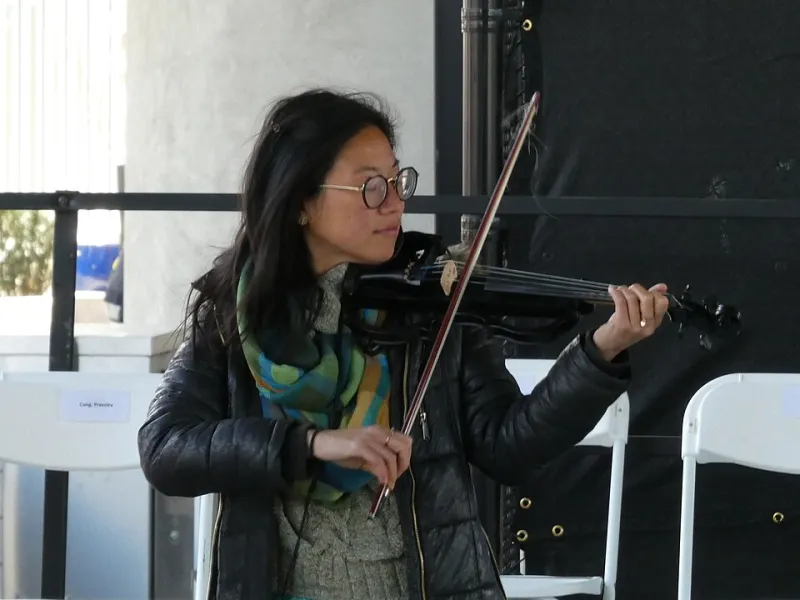
Photo: Pi.1415926535, CC BY-SA 4.0, via Wikimedia Commons
Every January, somewhere between a rehearsal hall in Boston and a concert venue in Denver, a fine violin quietly endures conditions its makers in Cremona could never have imagined. Relative humidity in a heated American concert hall can drop below 25 percent — drier than the Sahara on many winter days. For an instrument built from wood that was once alive, that is not a small inconvenience. It is a slow emergency.
What Winter Actually Does to the Wood
A violin is a delicately balanced assembly of spruce and maple, held together with hide glue and tension. When humidity falls, the wood loses moisture and contracts. The top plate, made of spruce that expands and contracts more across the grain than along it, shrinks fastest. The first casualties are familiar to every luthier in the northern United States: open seams, sunken tops, and — worst of all — soundpost cracks along the center line of the top.
"January and February keep our repair benches full," says one Chicago-based restorer who works with orchestral players. "A player flies in from a humid coast, walks into a hotel room with forced-air heat, and by morning the instrument has already begun to move. The damage isn't dramatic. It's incremental. That's what makes it dangerous."
Cold itself is less destructive than dryness, but it compounds the problem. Rapid temperature changes cause the varnish and the wood beneath it to expand at different rates, and a violin left in a car overnight in Minnesota can drop to temperatures that dull its response for hours.
The Case Is the First Line of Defense
Ask touring professionals how they survive the season, and nearly all of them begin with the same answer: a well-sealed case with humidity control built in. Modern oblong cases lined with insulating materials can buffer an instrument against sudden swings for hours. Inside, most serious players now carry some form of humidification — from simple gel humidifier sponges that release moisture slowly to digital systems that monitor the case's interior and release vapor only when readings fall below a set threshold.
The humble dampit, a long sponge tube that lives inside the instrument itself, still has its advocates, though technicians caution that it must be used carefully; a dripping humidifier inside a violin causes problems no one wants to explain to a dealer.
The discipline that matters most, however, is not equipment but habit. Experienced travelers check hygrometer readings at every stop. They avoid checking instruments into cargo holds — a practice made legally protected on US domestic flights under the FAA's musical instrument policy, which allows a violin as carry-on baggage. They let the instrument acclimate in its case before opening it when moving from a cold street into a warm hall.
Flying the Instrument Through the Freeze
Air travel in winter adds its own hazards. Overhead bins are generally safe, but gate-checking becomes a gamble when a flight is full and bins overflow. Veteran touring artists plan around this: boarding early, traveling with a case slim enough to fit smaller regional jets, and — on the coldest days — asking flight attendants about bin temperature before stowing a treasured instrument near an exterior wall.
There is also the question of what happens on the ground. A violin that has just crossed five climate zones in six hours should not be tuned aggressively the moment it is unpacked. Strings respond to temperature faster than the body of the instrument does. Patient players let everything settle, check the bridge is upright, and bring the pitch up gradually.
The Luthier's Winter Checklist
Technicians who serve touring musicians tend to prescribe the same handful of practices:
- Keep the case humidified consistently, not sporadically. A single night in dry air can open a seam.
- Aim for 40 to 50 percent relative humidity wherever the instrument lives — hotel room, greenroom, or home studio. A small room humidifier costs less than one repair.
- Warm the instrument slowly. Never play a cold violin immediately; let it reach room temperature inside the case first.
- Inspect seams weekly during winter tours. A slightly open seam repaired in a hotel room with a clothespin and a call to a local shop is a nuisance; a crack that spreads is a restoration project.
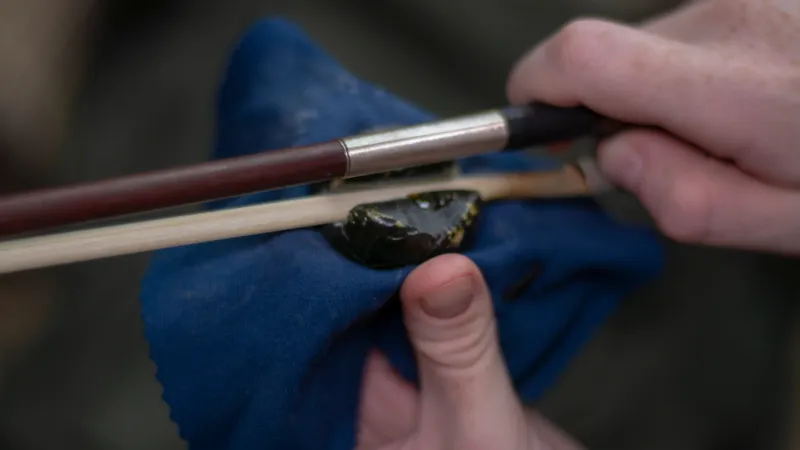
- Loosen the bow hair slightly in extreme dryness, since the pernambuco stick is not immune to the season either.
Why It Matters to the Music
None of this is mere superstition. A violin that has dried out does not simply look worse — it sounds worse. The tone thins, the response sharpens unpredictably, and the player compensates in ways that can undo months of careful preparation. For an artist whose instrument may be older than the concert hall it performs in, winter maintenance is not a chore attached to the career. It is part of the performance itself.
The audience hears a seamless phrase over a Vivaldi aria on a February night in Cleveland. What they do not hear is the hygrometer in the case, the humidifier running quietly in the hotel room, and the small, disciplined rituals that carried a three-century-old voice safely through another American winter.