The Last Word: How a Well-Chosen Encore Lingers Longer Than the Concert Itself
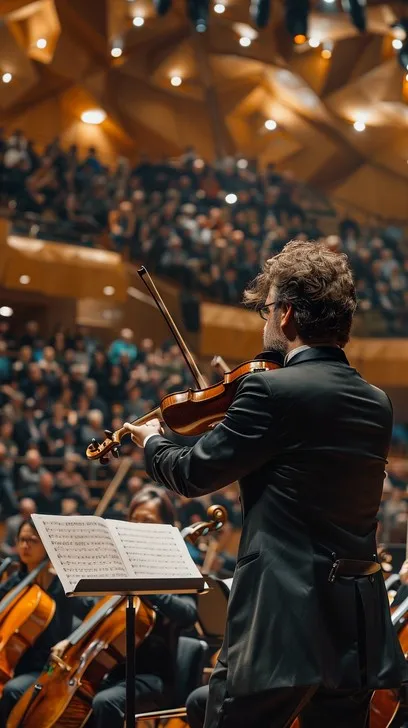
Photo: violinist bowing encore on concert hall stage spotlight audience, via images.stockcake.com
Ask any concertgoer what they remember from a performance, and they will rarely begin with the first movement. They will tell you about the final moments — the last notes, the silence that followed, and, if they were fortunate, the encore. That single piece, often no longer than three minutes, carries a disproportionate weight. It is the last impression, the parting gift, and in many ways the truest measure of a performer's instincts.
A Decision Made Long Before the Final Bow
Contrary to popular belief, a successful encore is almost never improvised. Seasoned soloists walk onto the stage with a small repertoire of possibilities prepared — pieces rehearsed, tested, and matched to the hall, the program, and the city. The spontaneous feel of an encore is itself a kind of artistry: a performance of spontaneity, built on weeks of quiet deliberation.
The variables are considerable. A heavy program of Brahms and Beethoven may call for something light and brief. A recital dominated by French repertoire might welcome a contrasting work. And the audience matters. A hall full of conservatory students will hear an encore differently than a subscription crowd attending their first concert of the season.
What American Audiences Respond To
Across decades of performing in the United States — from Carnegie Hall to concert halls in smaller cities where the audience arrives out of genuine curiosity rather than habit — certain patterns emerge. American listeners tend to respond warmly to encores that offer either intimacy or brilliance, and rarely anything in between.
A shortlist of pieces that consistently resonate with US audiences might include:
- Bach, transcribed or unaccompanied — a single movement from the Sonatas and Partitas, such as the Andante of the A minor Sonata, offers a moment of stillness that feels like a confidence shared rather than a performance delivered.
- Massenet's "Meditation" from Thaïs — lyrical, familiar without being overexposed, and ideally suited to a hall that has just absorbed a demanding program.
- Kreisler miniatures — pieces like "Liebesleid" or "Schön Rosmarin" carry a warmth and wit that American audiences have embraced for generations.
- Sarasate's "Zigeunerweisen" or a Paganini Caprice — when the evening calls for virtuosity, these showpieces send the audience home with a sense of astonishment.
- A movement from a beloved film score or American work — occasionally, a nod to the local repertoire creates a connection that no European showpiece can match.
The choice between intimacy and fireworks is not arbitrary. It should answer the question the program has already raised. A concert that ended in tragedy may deserve consolation; a concert that ended in triumph may deserve celebration.
The Etiquette of Restraint
There is also a discipline to knowing when not to play an encore. After a performance of a monumental work — a complete Bach Partita, or a concerto of shattering intensity — silence can be the most eloquent conclusion. Audiences sense when an artist is adding an encore out of obligation rather than conviction, and the gesture loses its meaning.
One encore, played with total commitment, outperforms two played from a sense of duty. The encore is not a bonus track; it is a final statement, and final statements gain power from brevity.
Why It Matters for the Next Generation
For students attending masterclasses and young artists preparing their first recitals, the encore deserves the same serious attention as the opening work. It teaches a lesson that extends beyond repertoire: how to read a room, how to judge the temperature of an evening, and how to leave an audience wanting more rather than less.
In the end, the encore is the performer's handshake with the audience — brief, personal, and remembered long after the program notes have been discarded. Chosen with care, it can turn a fine concert into an evening people speak about for years.